
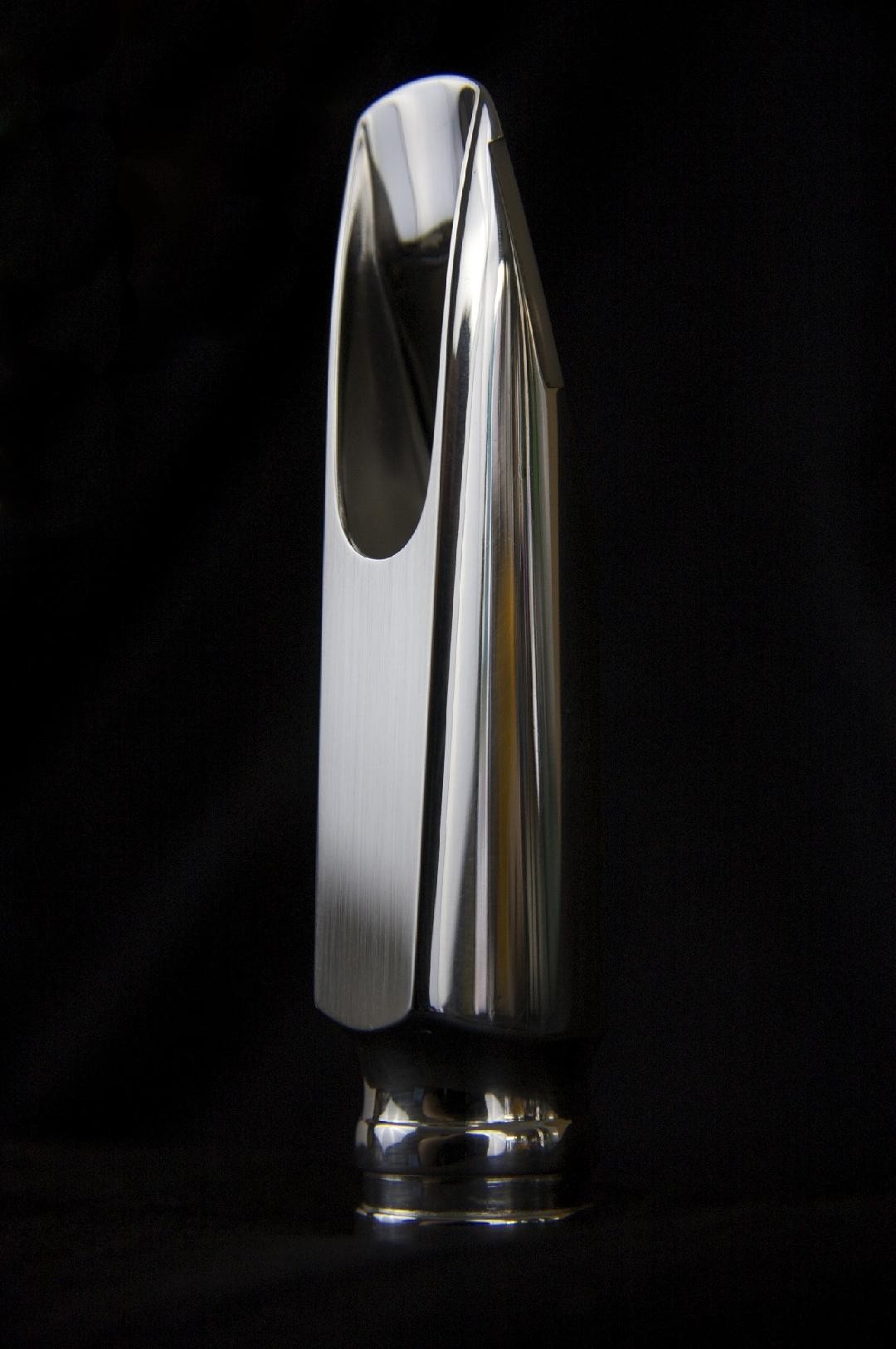
2 series in production · Cut to your numbers
Handmades
Cast from my own alloy, then cut to fit the player. Over 100 of them so far. Every one starts as the same blank and ends up somewhere different, because the numbers that work for you are not the numbers that work for anyone else.
Mouthpiece Catalogue
Every series, current and past. Each one opens its own product page, and the whole catalogue reads as one document.
Available
2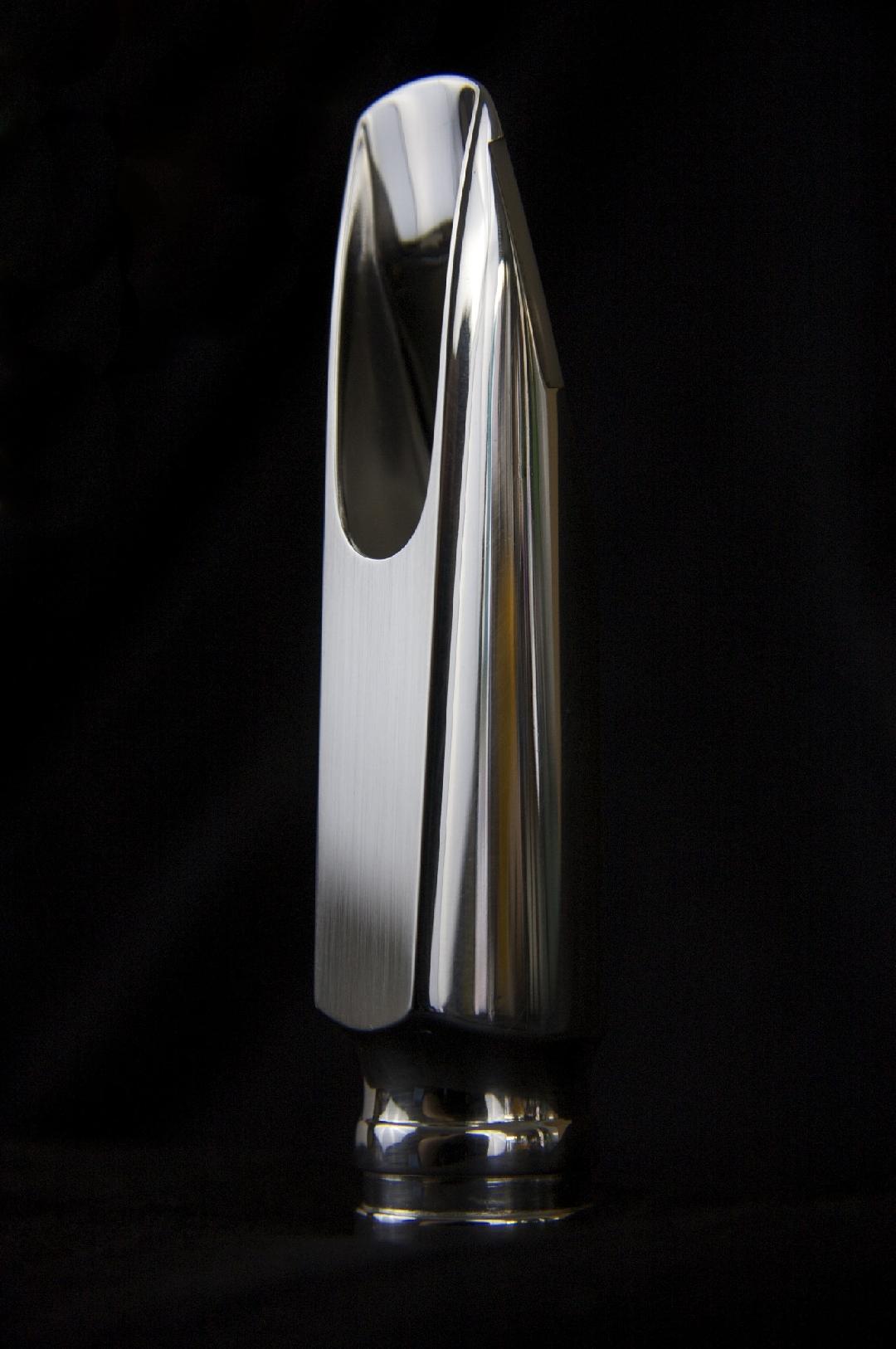
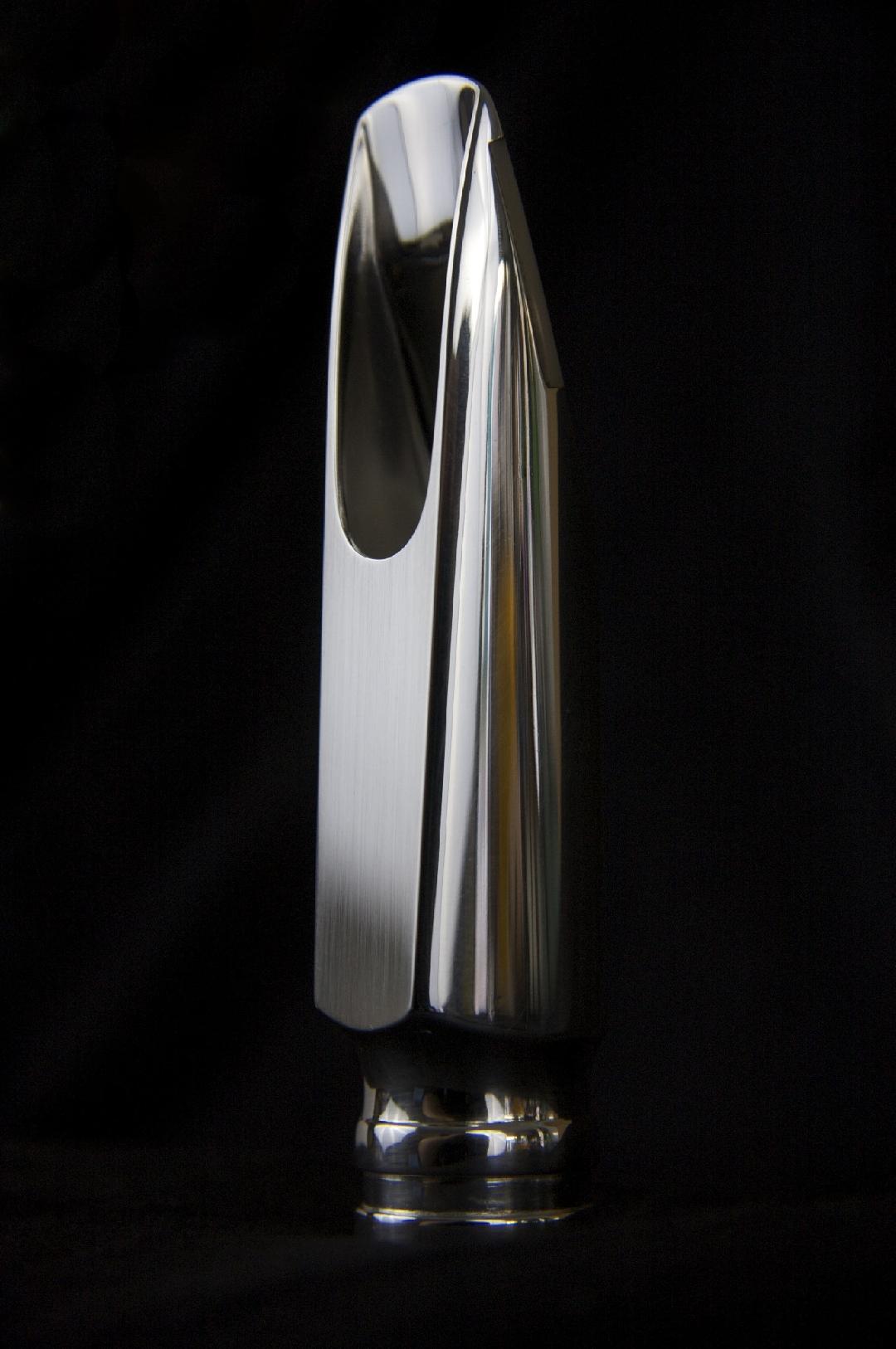
In development
2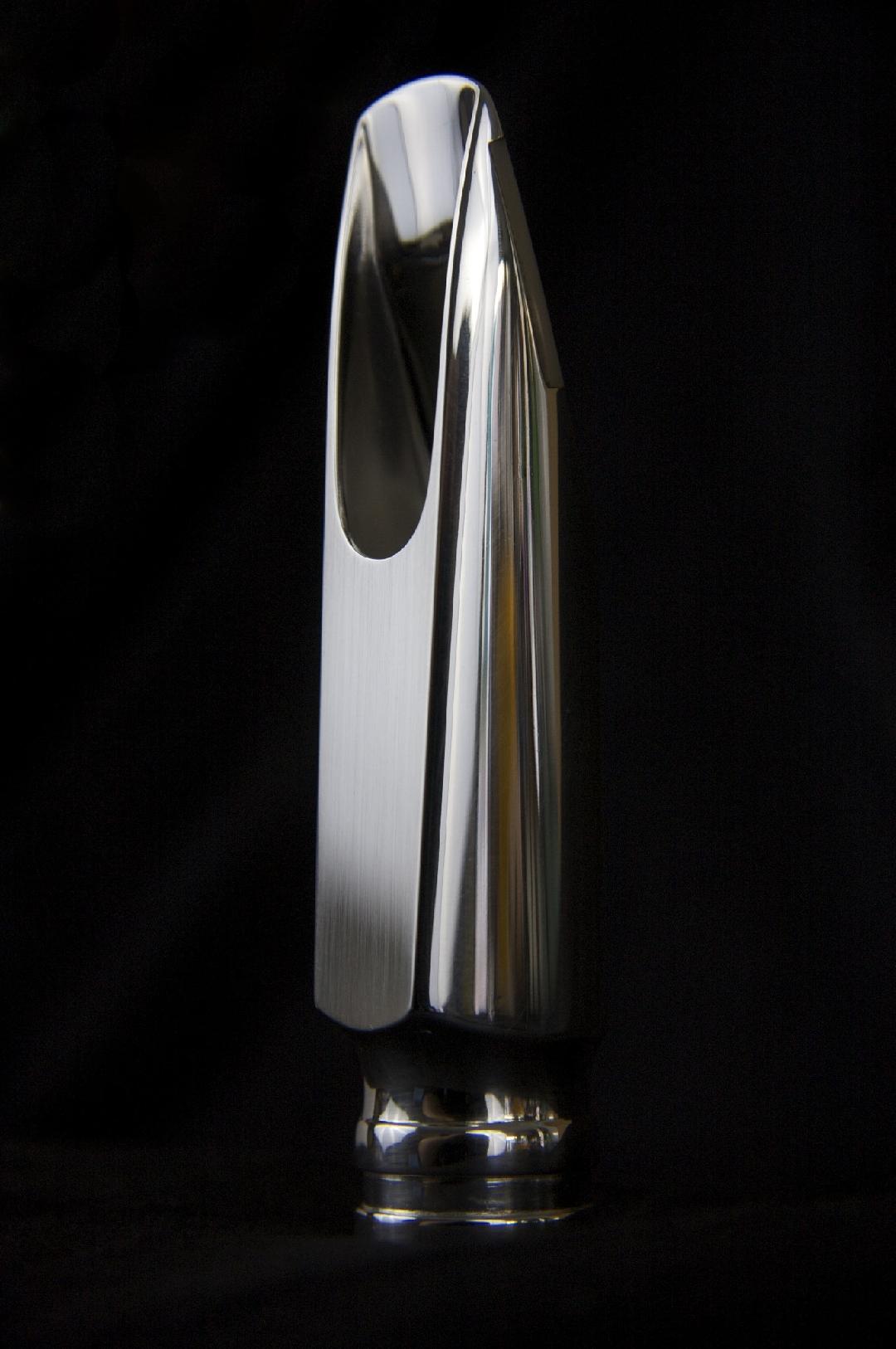
Legacy
3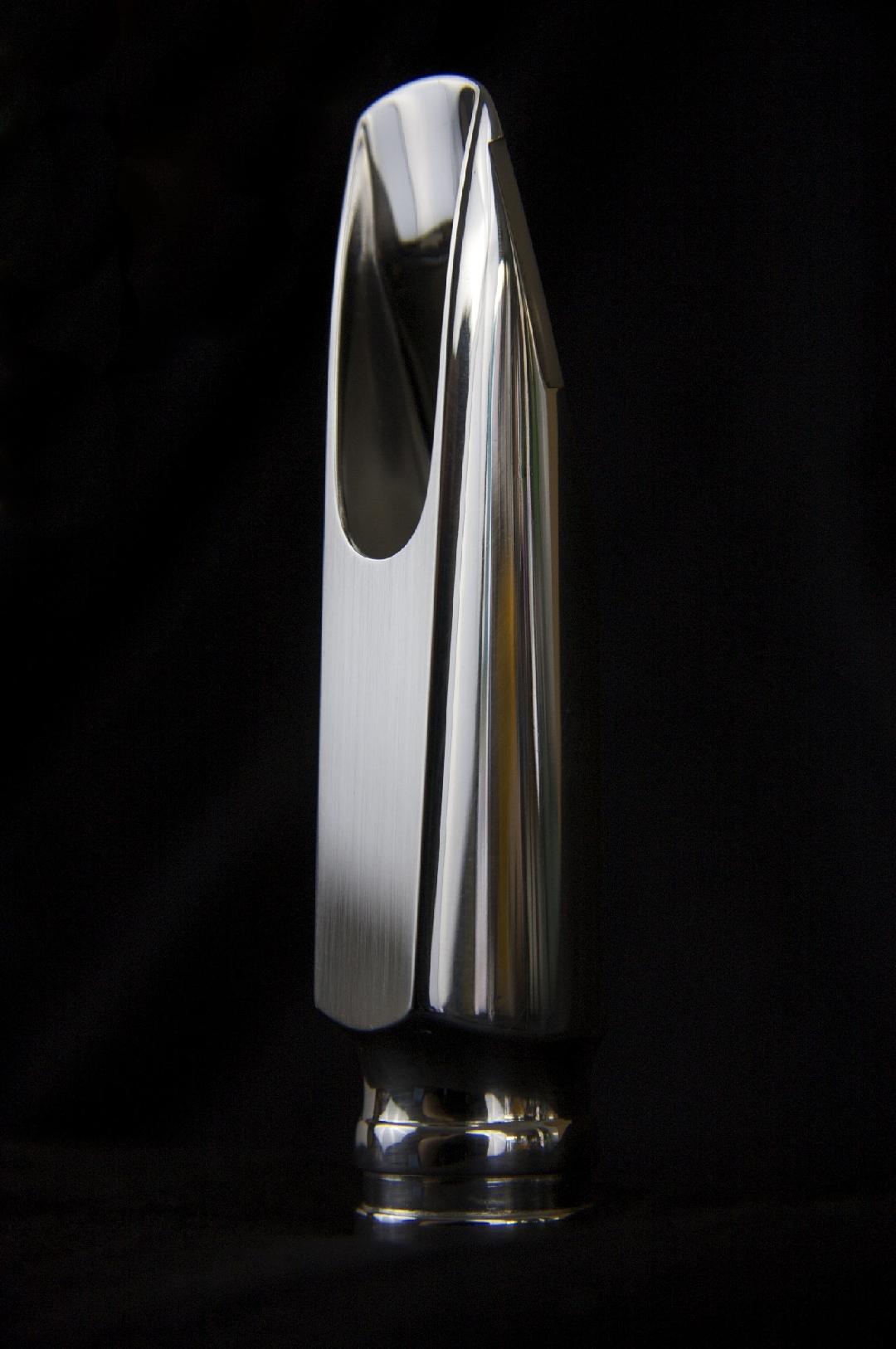
Trade and wholesale
Shops, studios and specialist outlets: I supply in quantity at a trade price, and the price steps down with the order size. Tell me roughly what you are after and I will send you the trade sheet.
Overview of mouthpiece anatomy
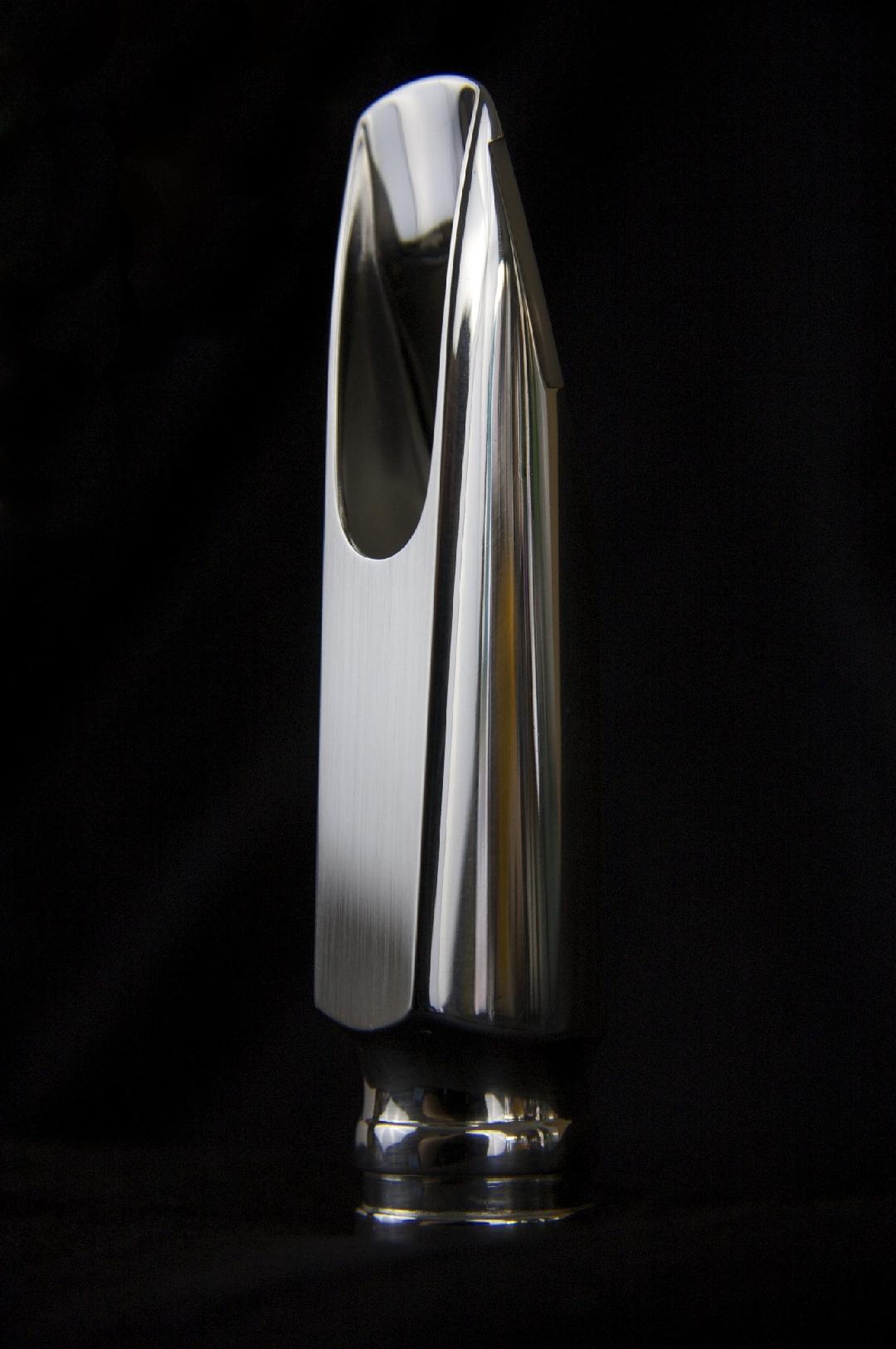
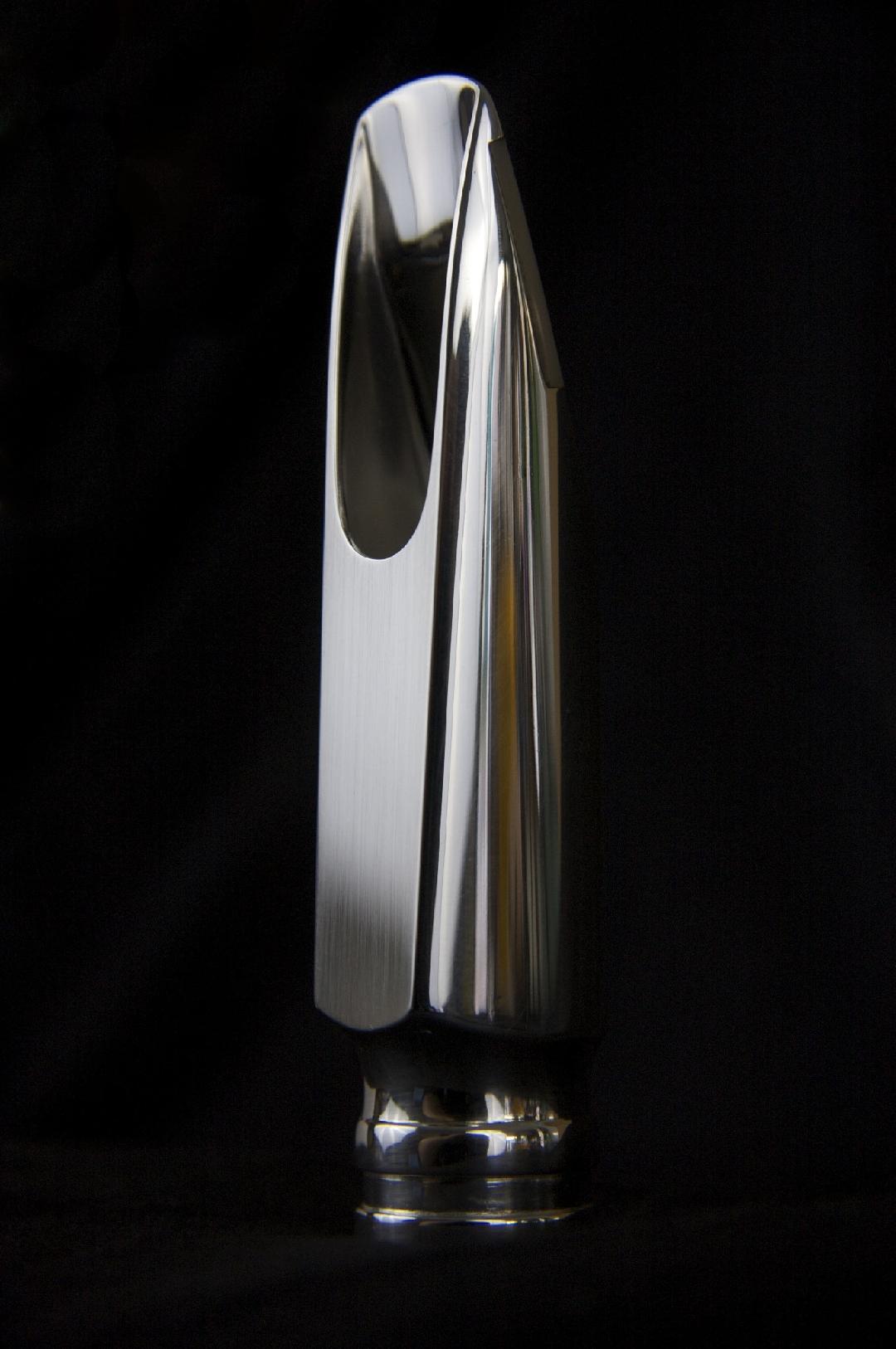
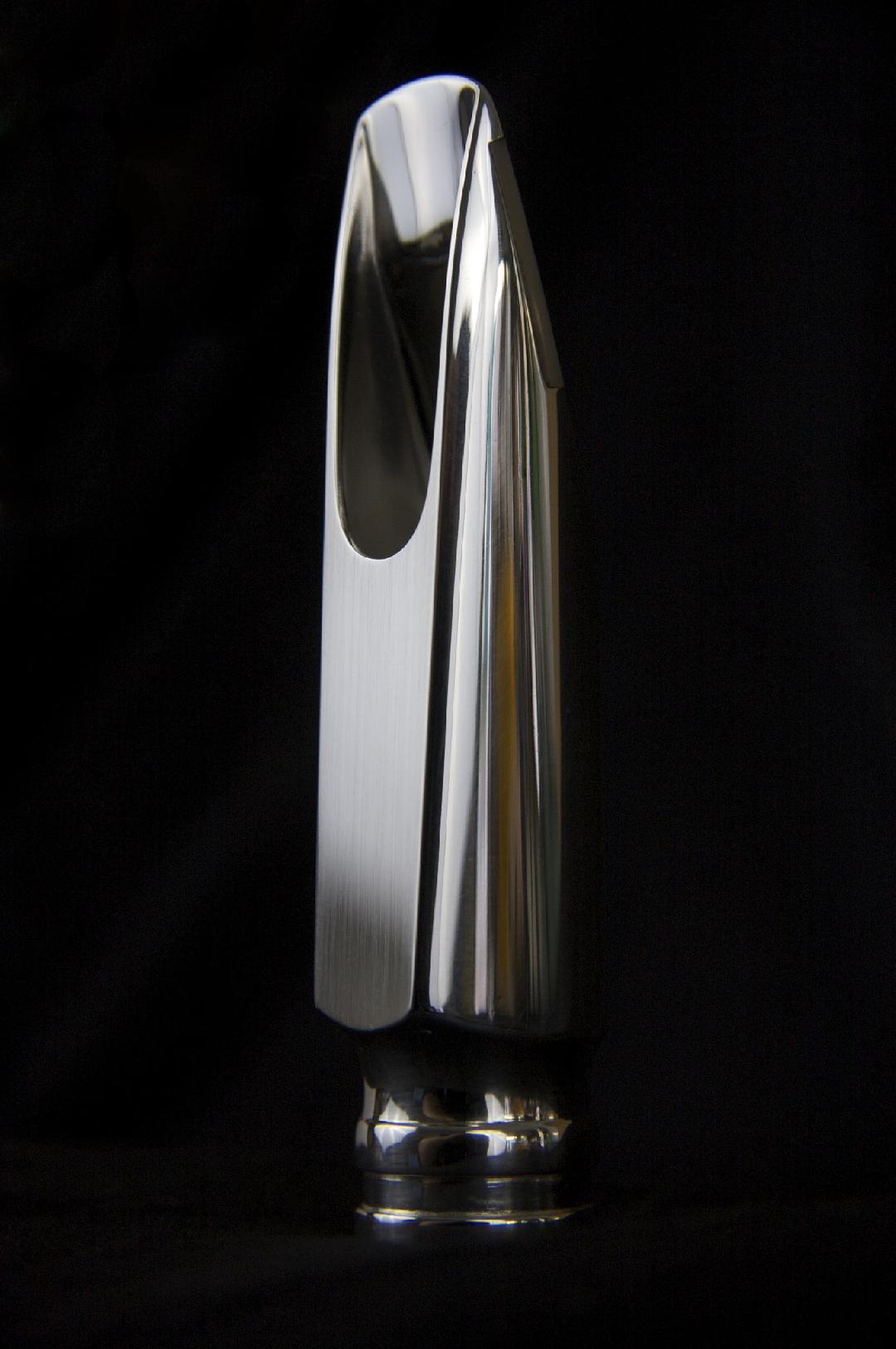
The short version is that a mouthpiece is a chamber with a flat table on one side, a window cut into it, and two rails running up to the tip that the reed seals against. Change any one of those and you change what the horn does.
The long version is a document rather than a paragraph. It covers what each feature actually does to the sound, what the trade offs are, and what I have found from measuring and rebuilding a lot of other people's work.
How they are made
The alloy is a bronze, gold and Tibetan cymbal blend I mix myself. Bronze on its own is workable and it sounds good, but the cymbal metal and the gold change how the material holds an edge, and an edge is the whole game on a rail that has to seal against a wet reed.
I cast the blanks as a tree, which is one pour producing a cluster of mouthpiece bodies branching off a central sprue. They come off the tree rough. At that point they are all identical, and none of them are finished.
The rest happens at the bench. I flatten the table, cut the facing curve to the length you want, match both side rails to that curve, and open the tip to the number you asked for. Then I play it. If it does not do what you described to me, it goes back on the bench and I do it again.
Casting the tree.
Cutting the facing.
-
It is cut to your numbers
Tip, facing length and rails to what suits you, not to a size on a chart. Tell me what you play now and what it does wrong.
-
I play it before it goes
Every piece gets played against what you described. If it does not do that, it goes back on the bench before it goes in a box.
-
The facing is looked at again for nothing
Anything I made comes back for a facing check whenever it needs one. That does not expire.